Sixteen moments.
One way through.
No filters and no alternate view. The sequence moves from cold morning glass to the last amber light, in the order it was meant to be seen.
Begin the sequenceA closer look.
Each frame begins as a clue. Move over it to lift the surface and bring the complete photograph into view.
On touch, tap once to reveal and again to open.
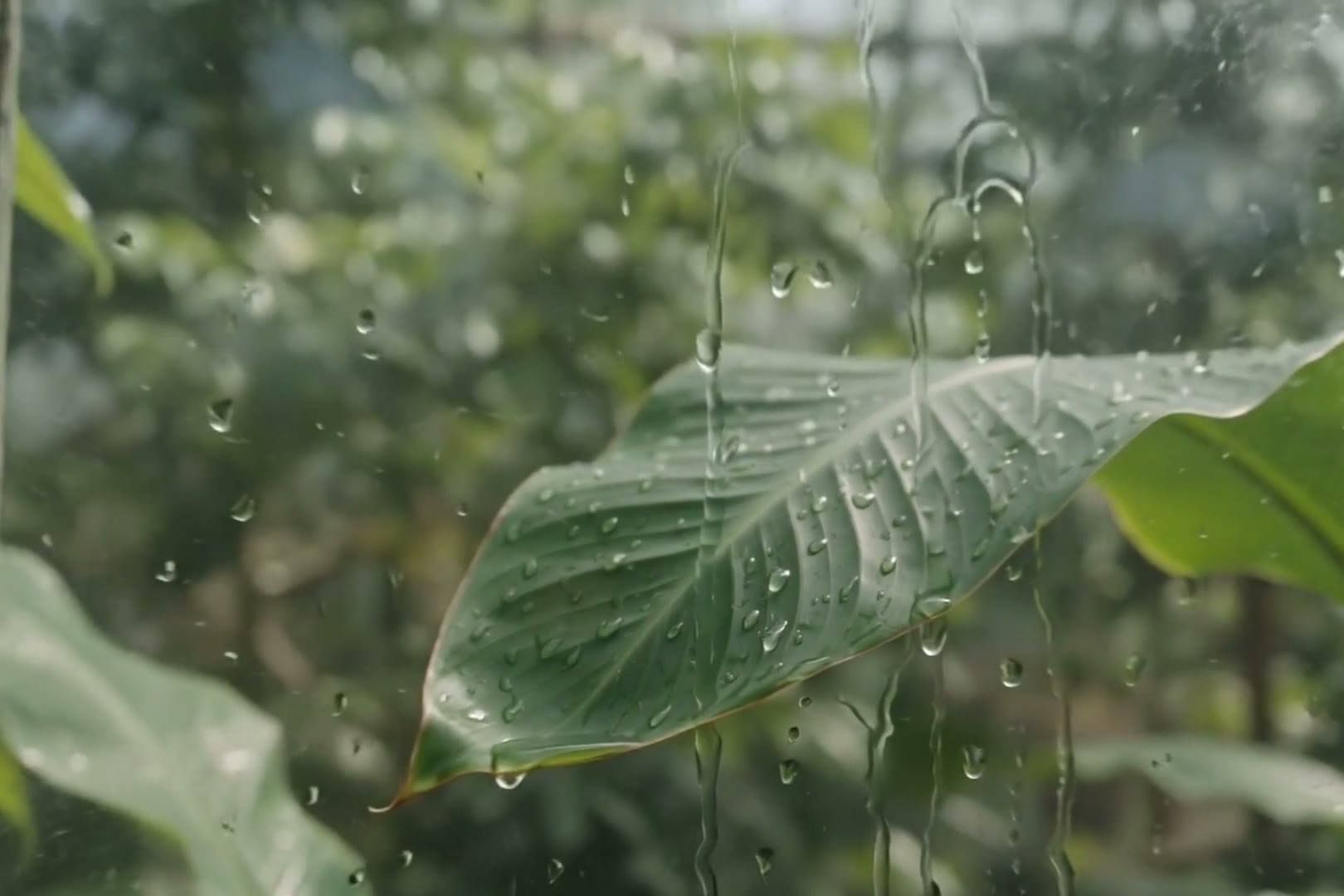
East range, 06:52. The heating has not come up yet and the glass is running. 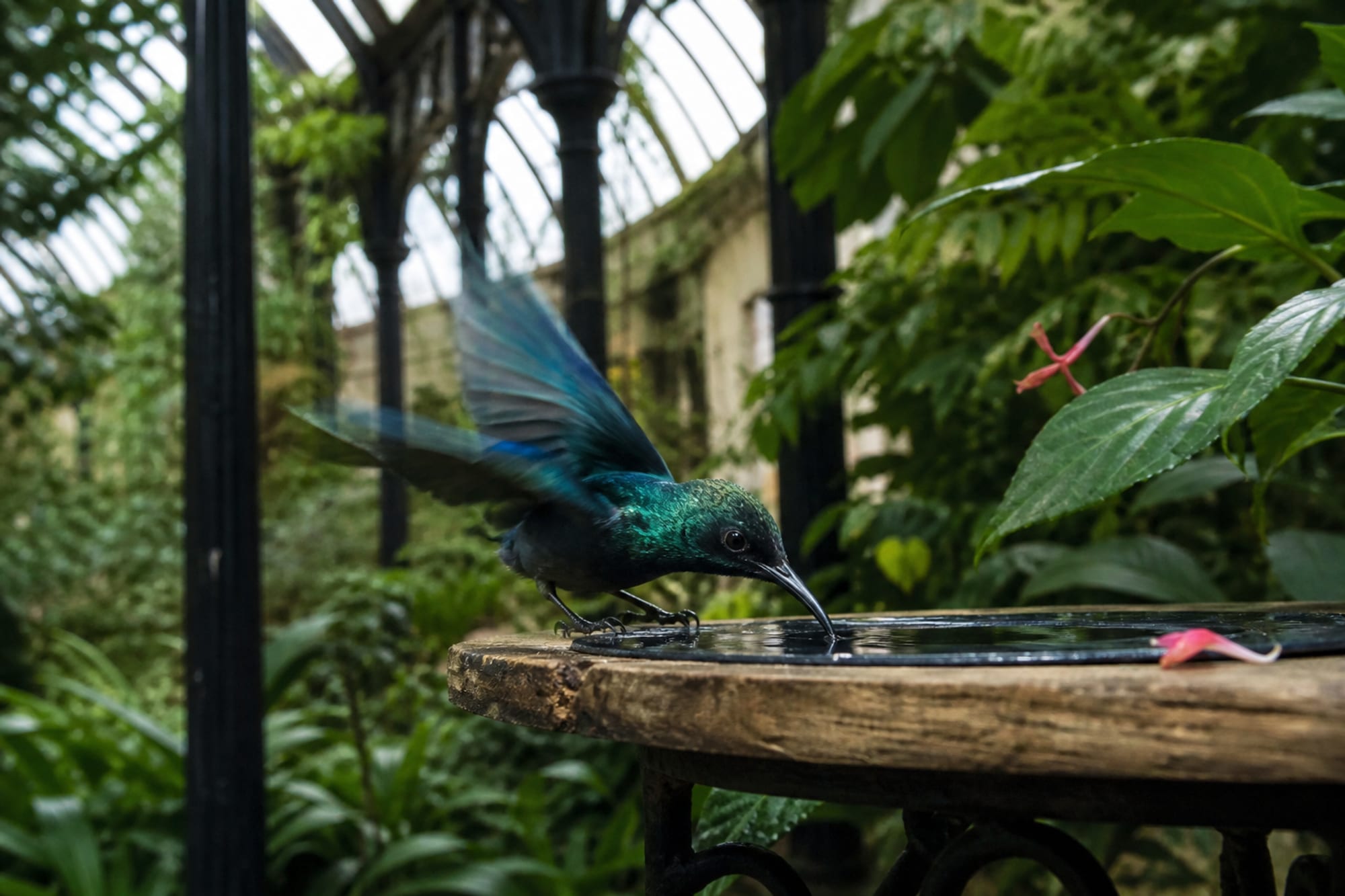
A male at the nectar table. They take about four times their body weight in a day, which is why the table is refilled nine times. 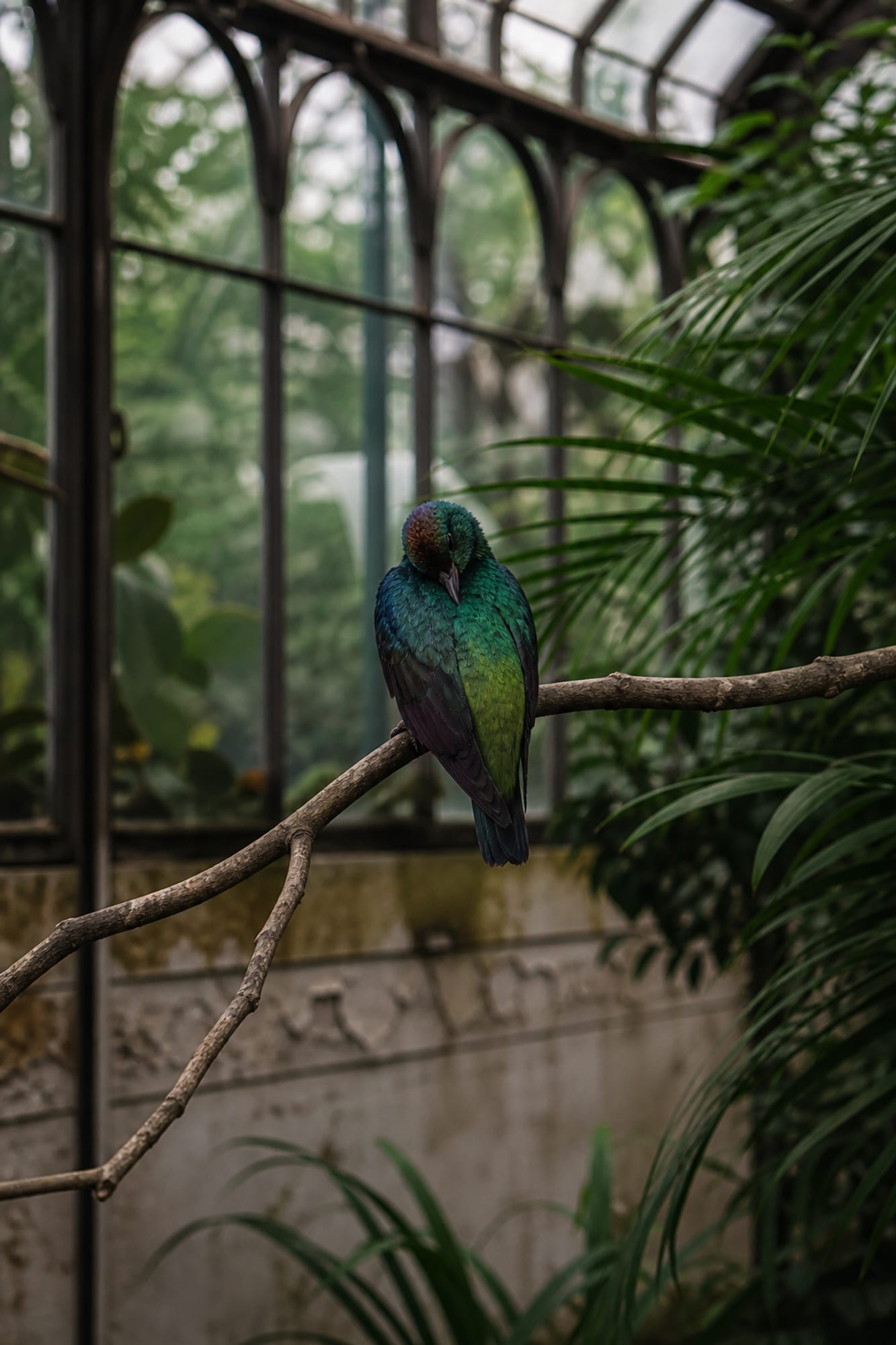
14:19. Down. He will not move again until half past three. 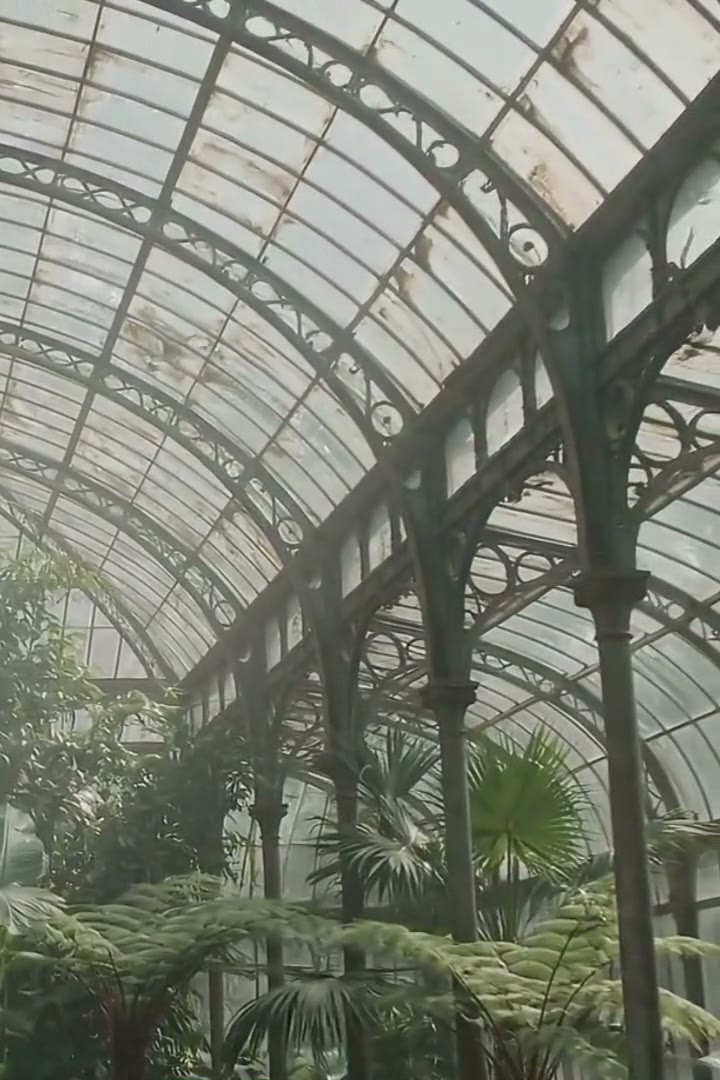
The 1889 ironwork. It is the only reason the building was not demolished, and the reason nobody could afford to do anything with it. 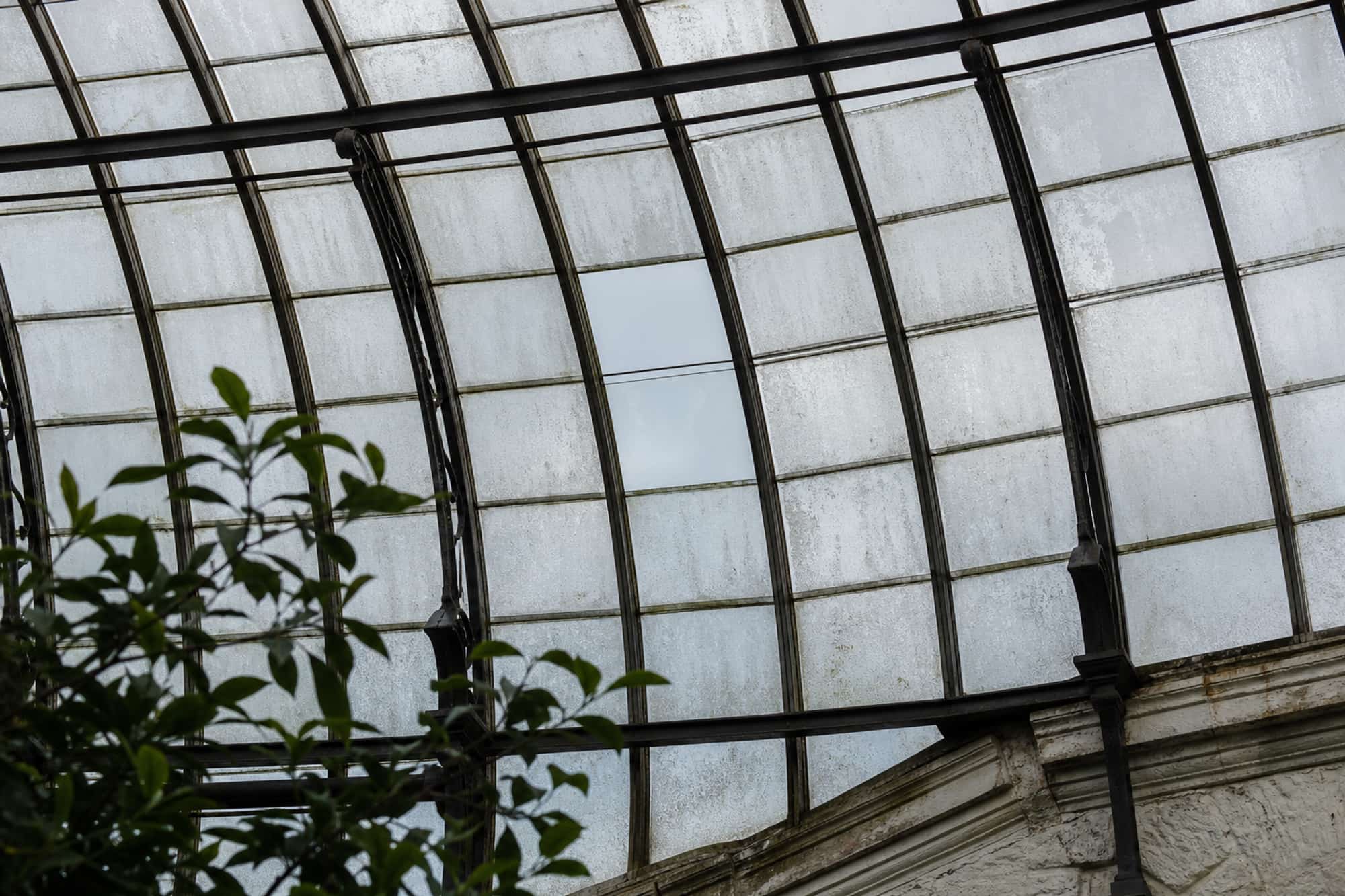
The 1981 pane, replaced in 2010. Everything below it grew because it broke. 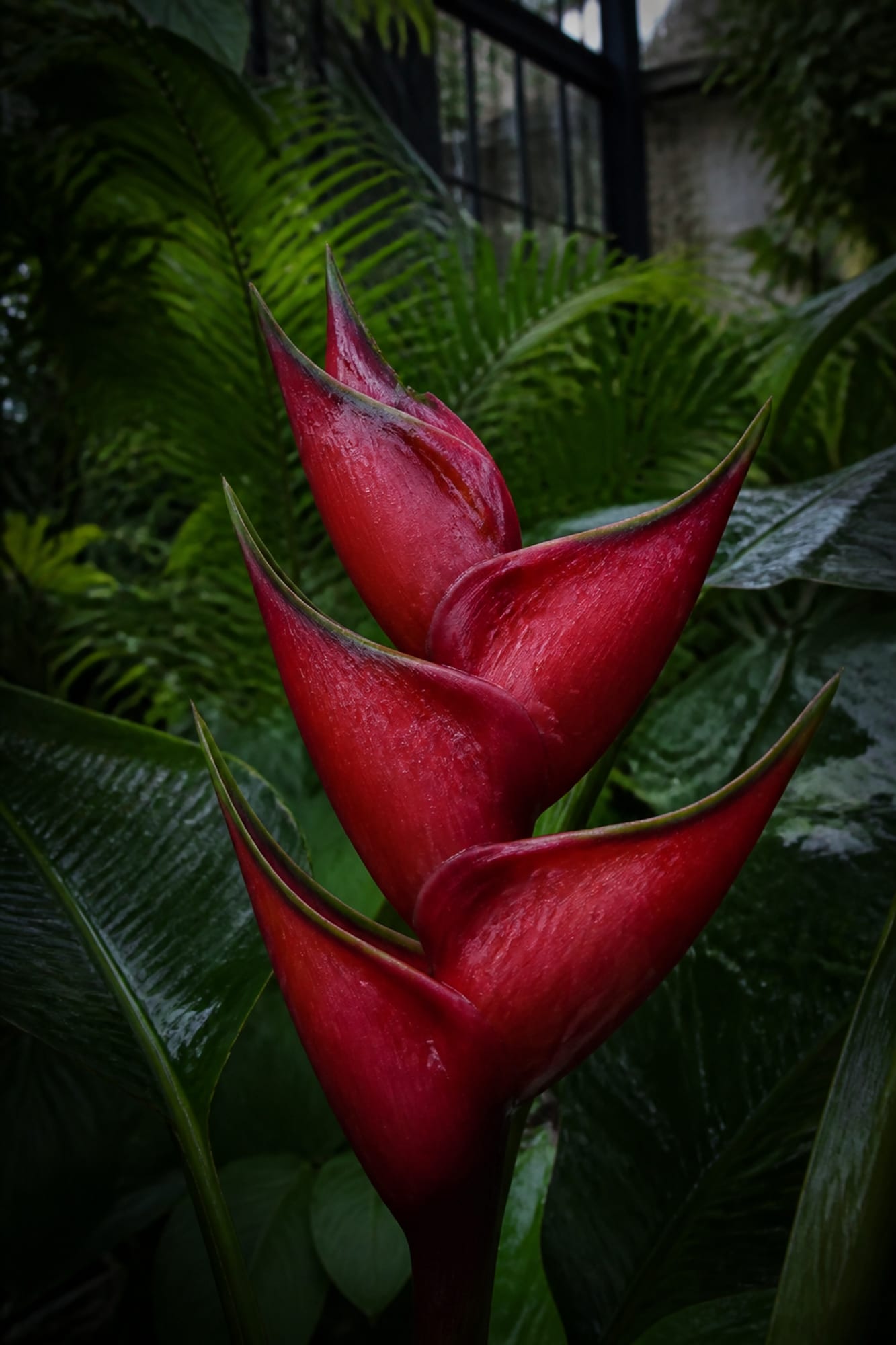
Flowering from November to March, which is the half of the year the birds would otherwise be short. 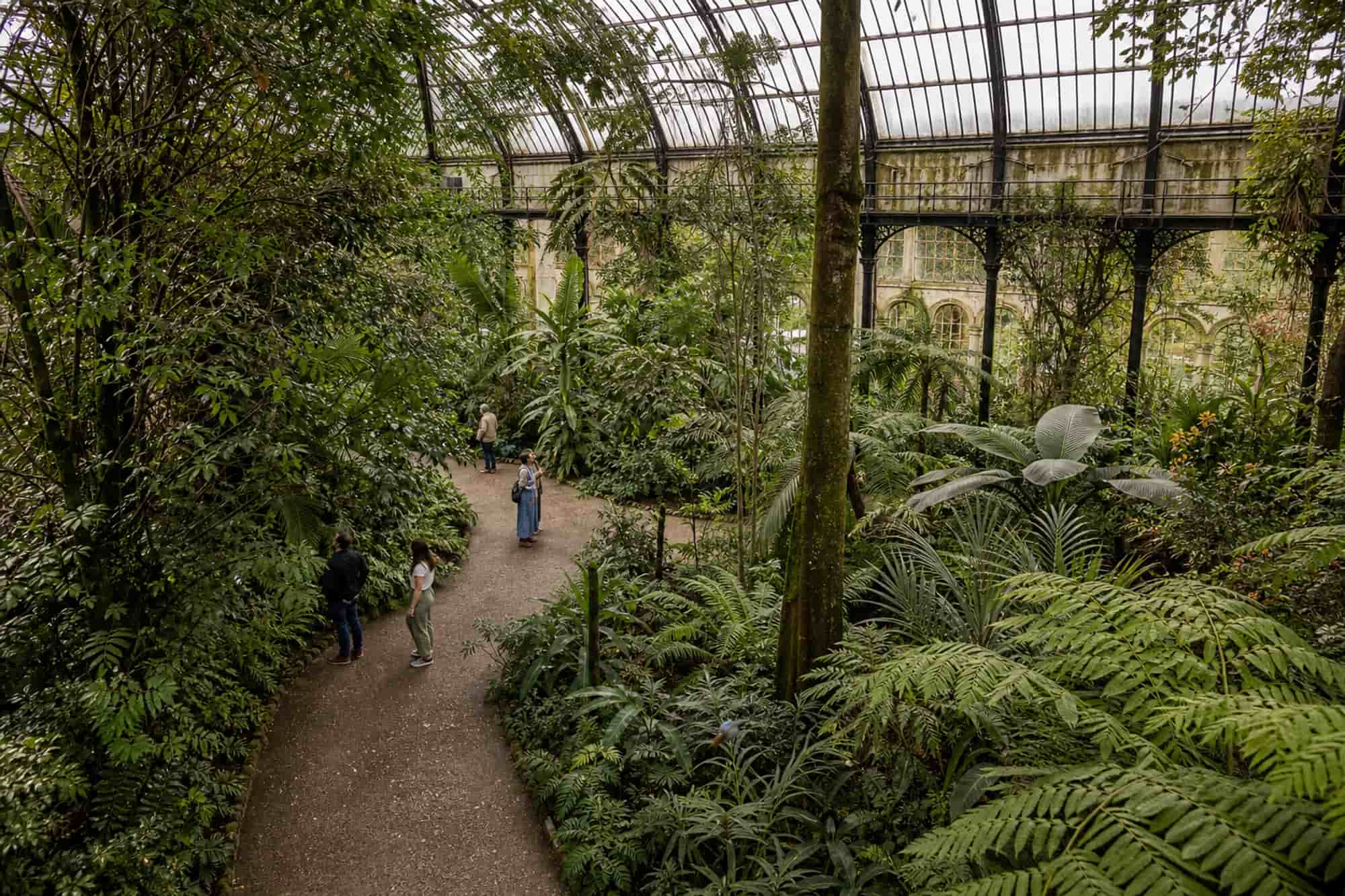
The main loop from the upper walk. It is 1.4 metres wide throughout and step free the whole way round. 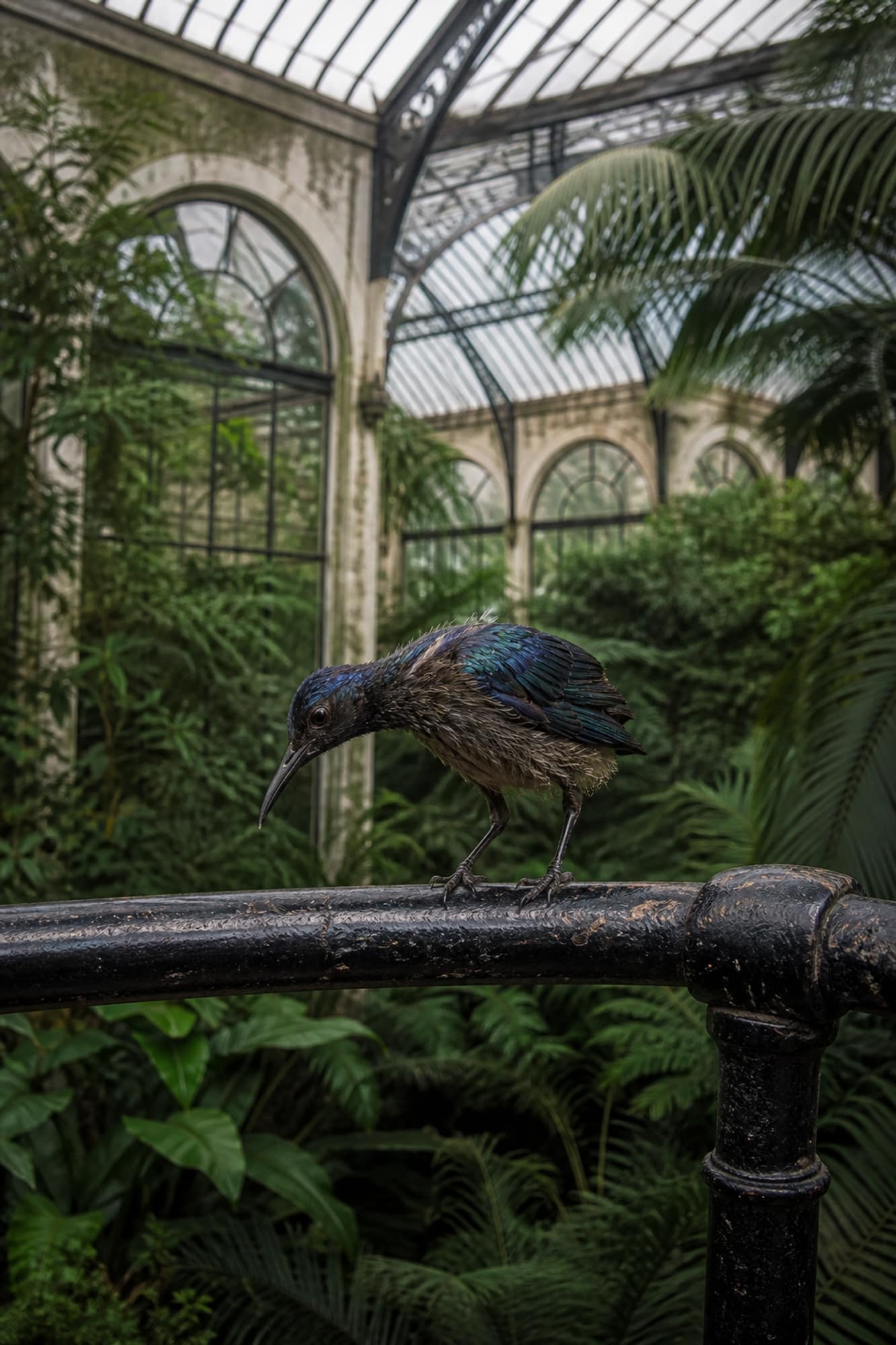
Four days out of the nest. They fly badly for about a week and then suddenly do not. 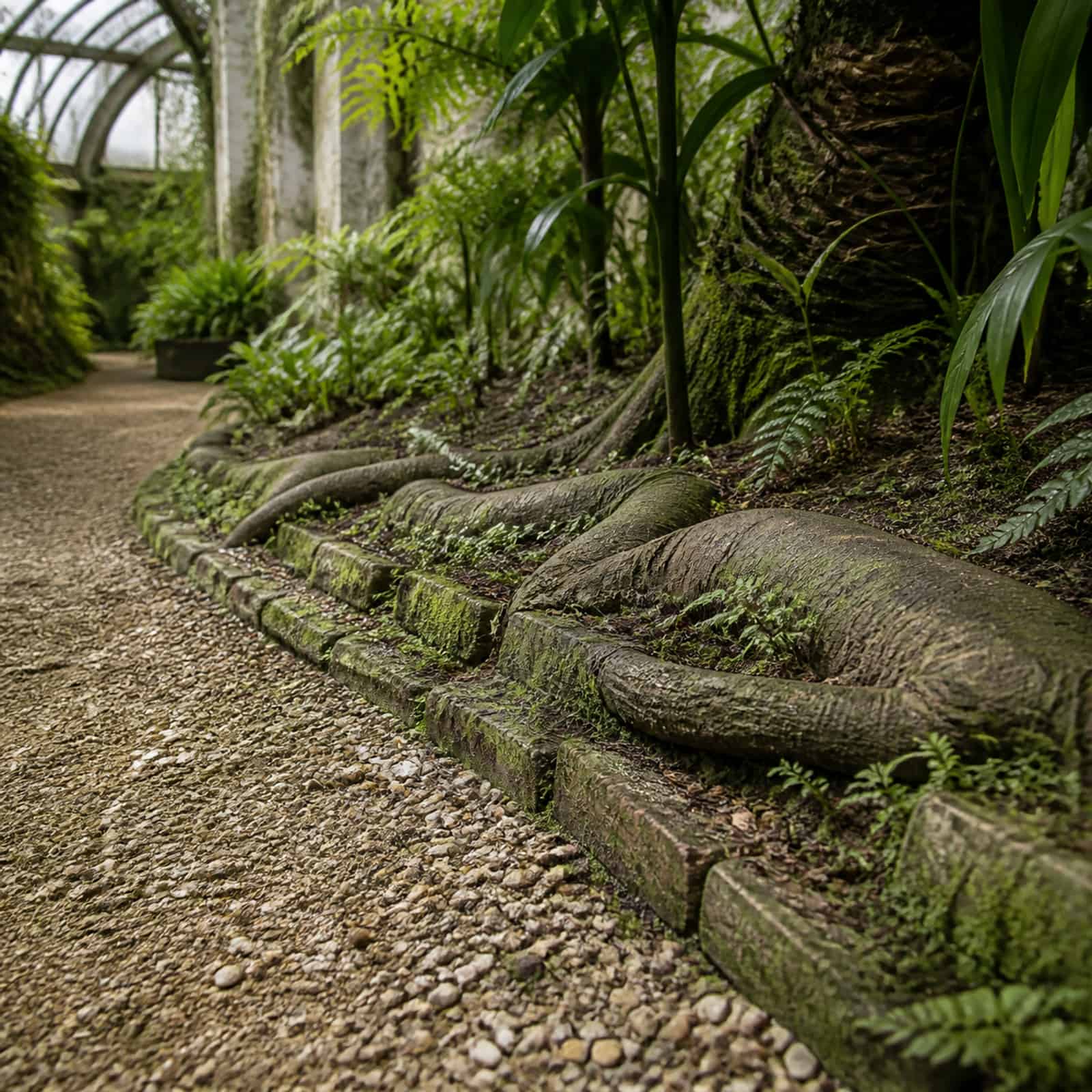
The gravel path is still under there. The soil above it is thirty years of leaf fall. 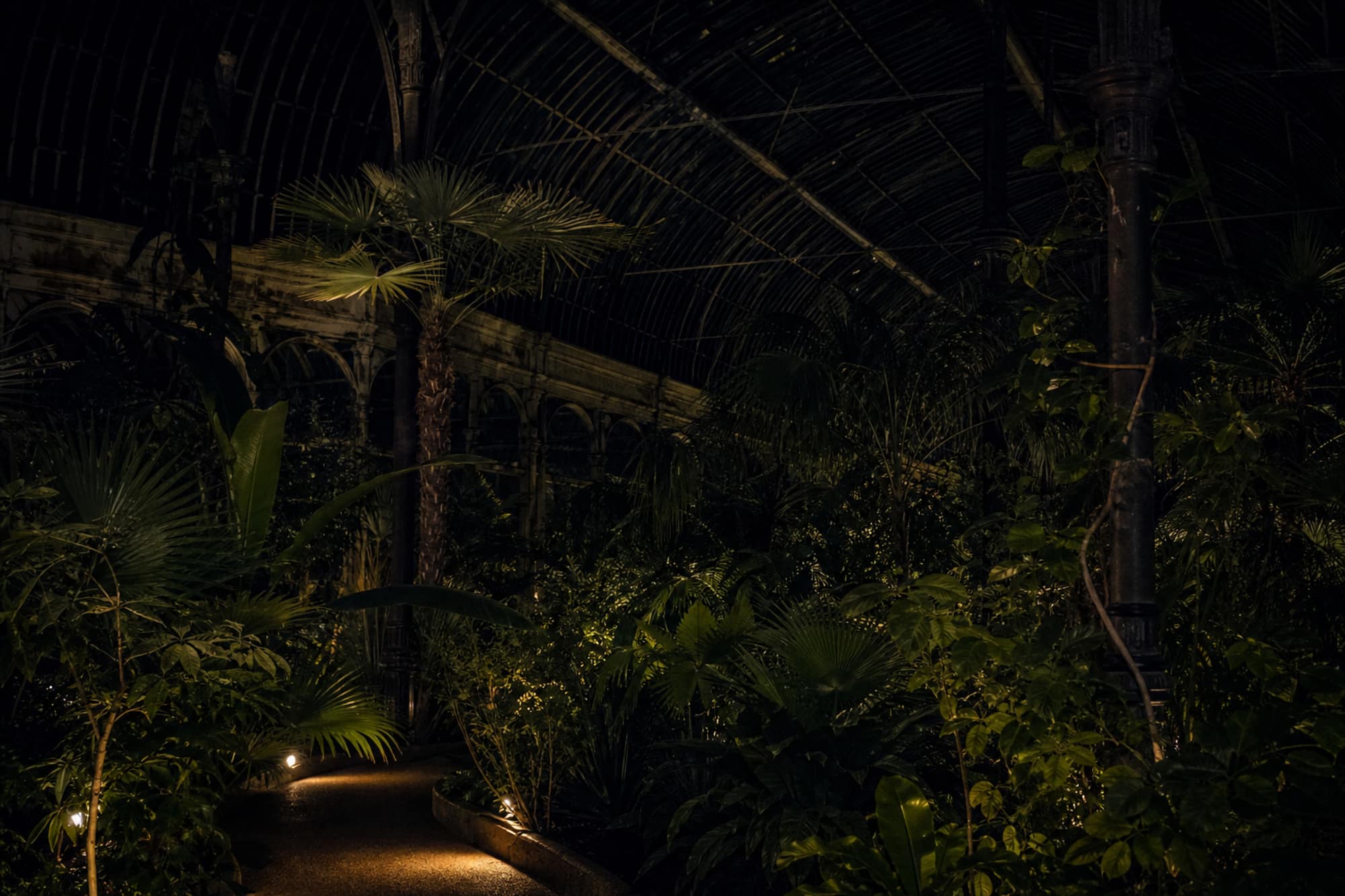
Lantern Hours. Under 2200 kelvin, shielded and pointed down, because anything brighter moves the roost. 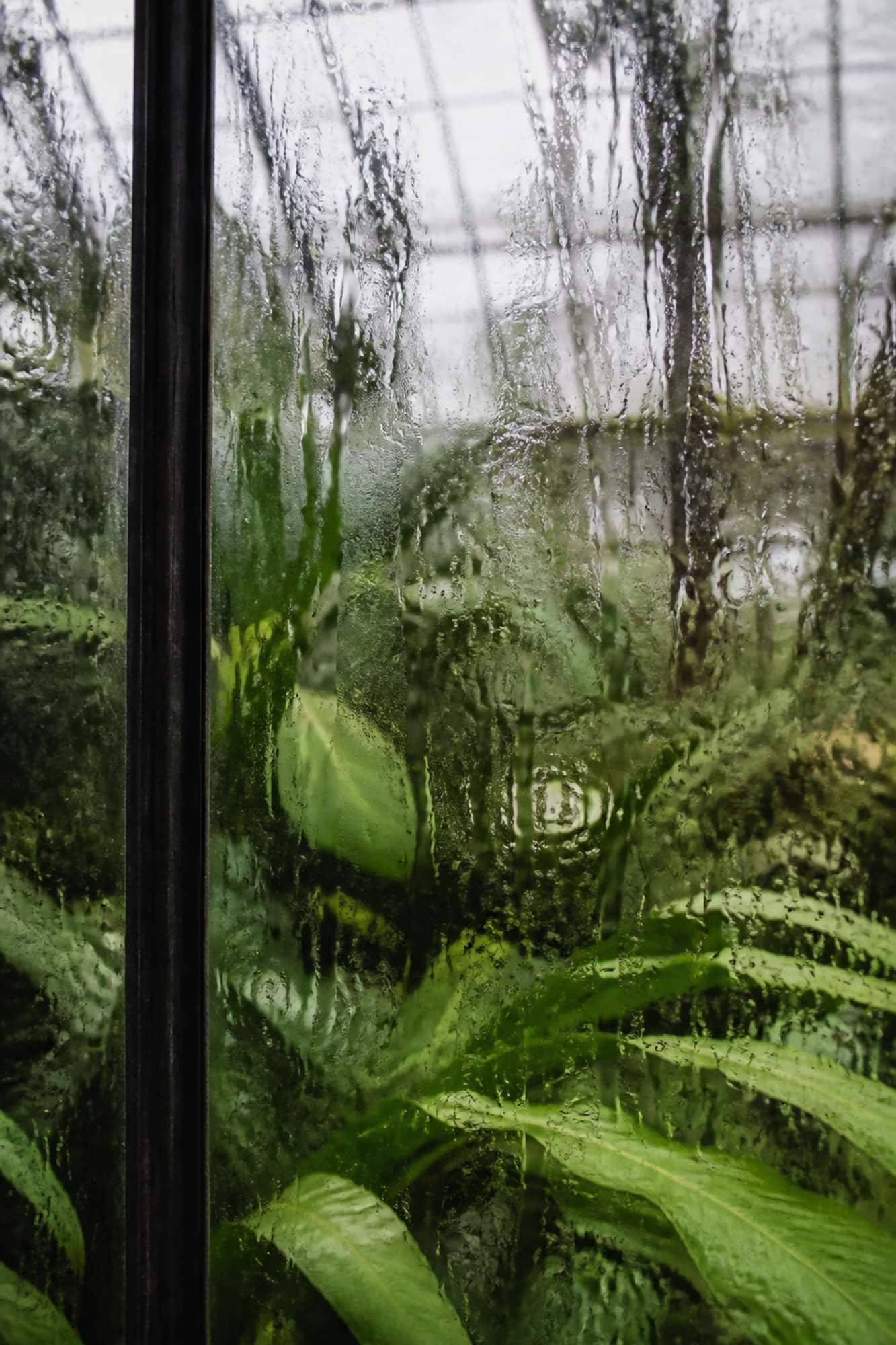
The building makes its own weather. Most of what waters the canopy is condensation coming back down. 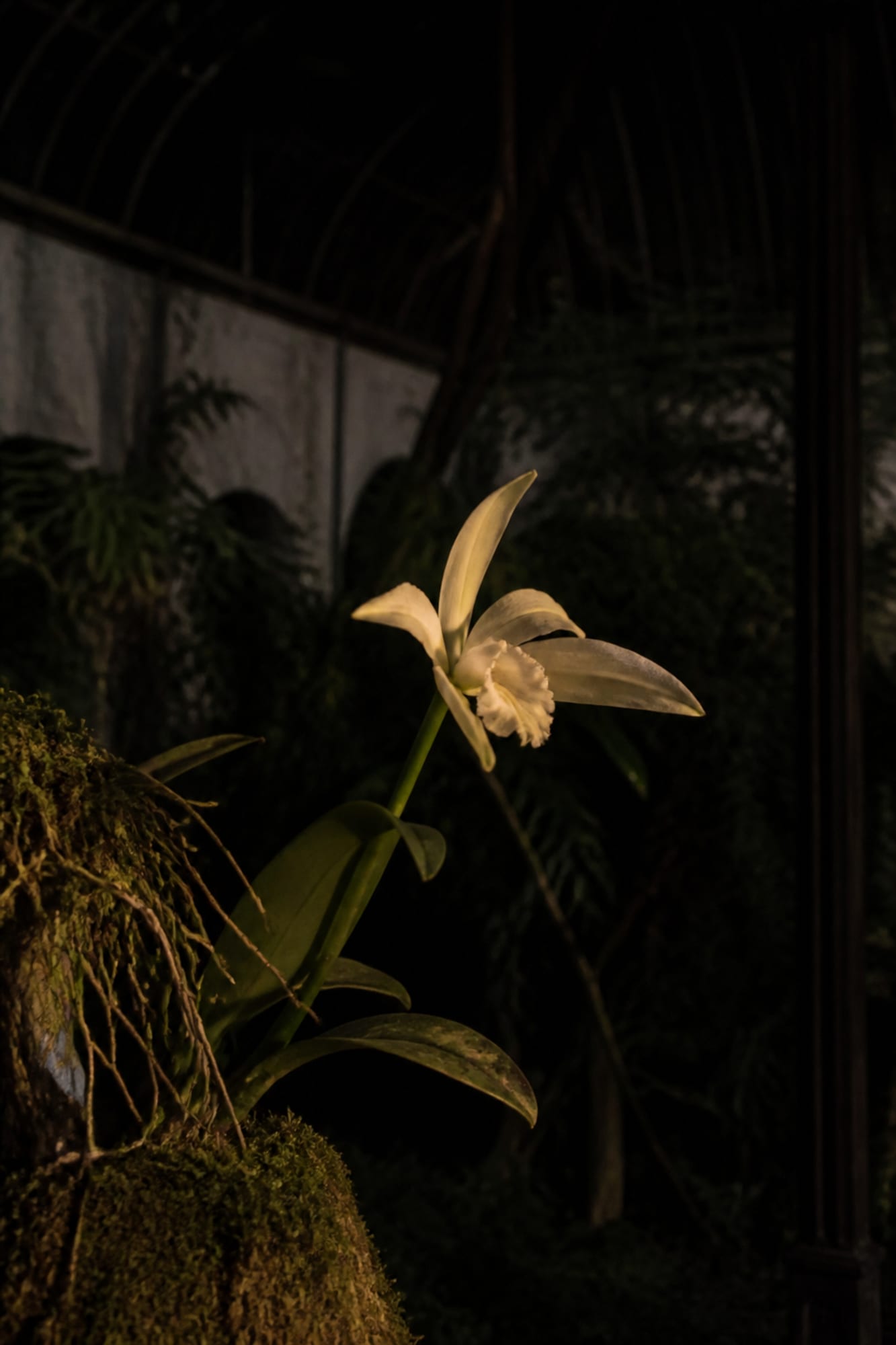
Opens after dark and is finished by morning. You can only see this one during Lantern Hours. 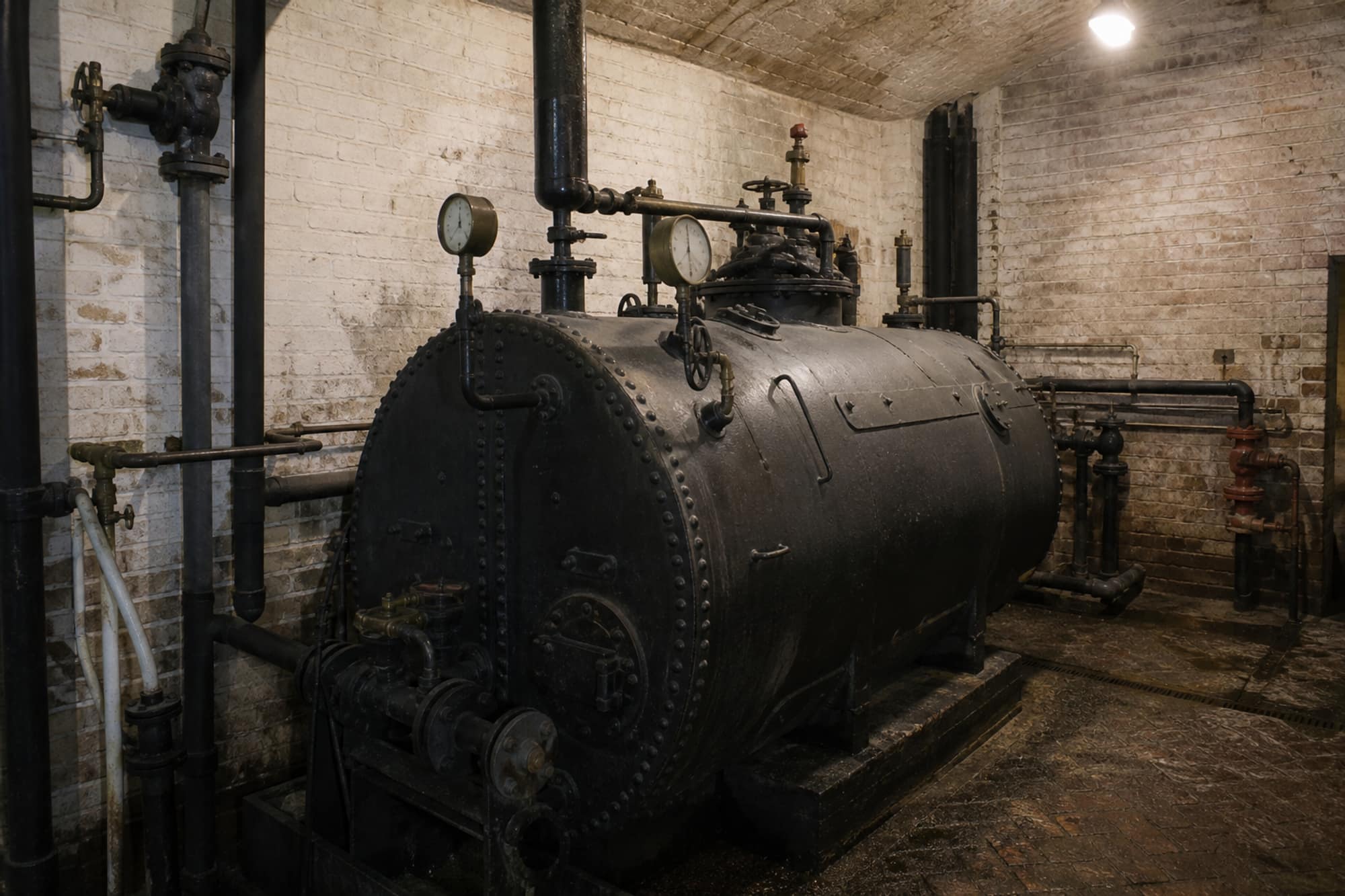
One of the two original boilers, and the only one still working. The roof costs more every year than everything else combined. 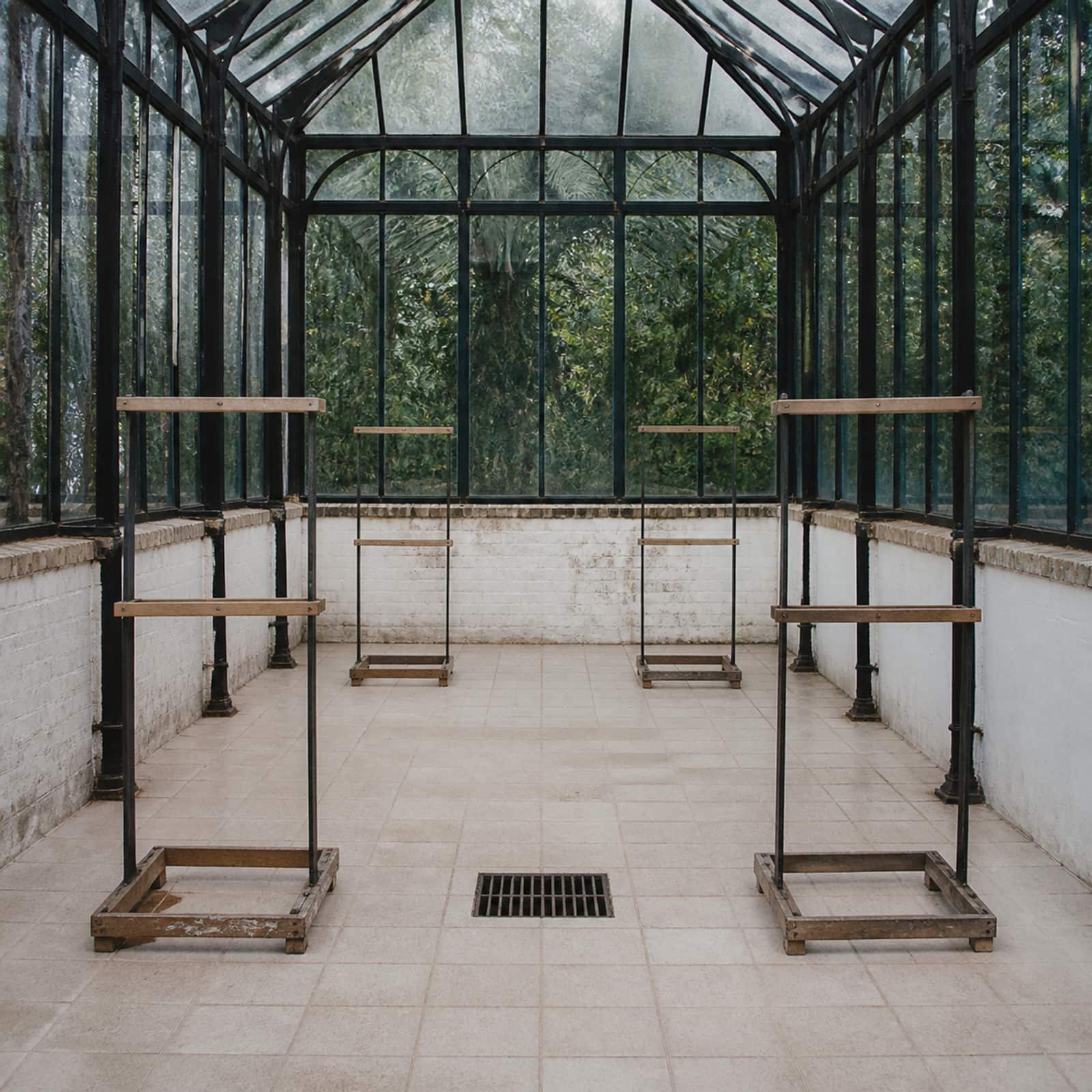
The north range, empty between arrivals. Everything that comes in spends ninety days here first. 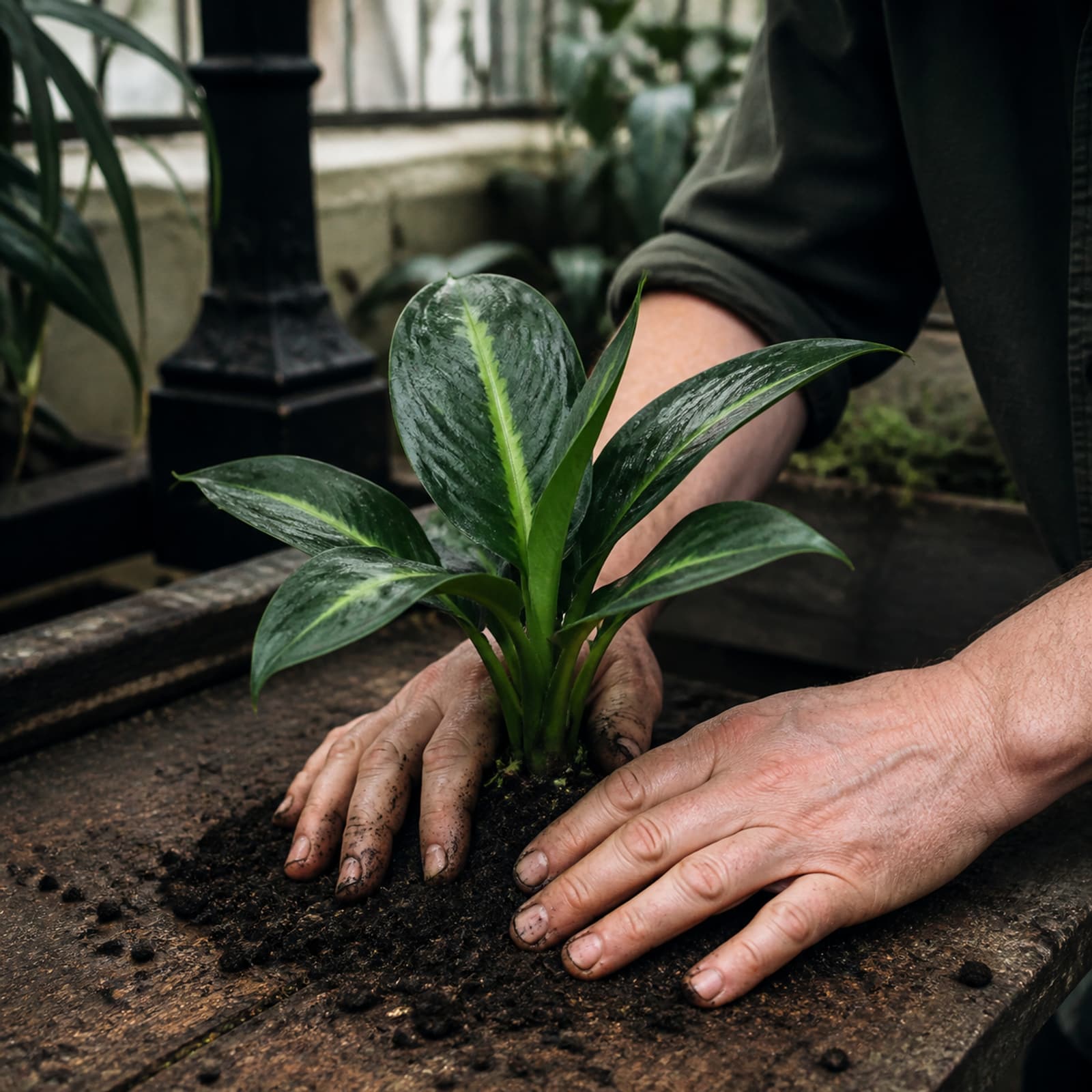
Planted against the flowering record, to close the two thin weeks in February and late October. 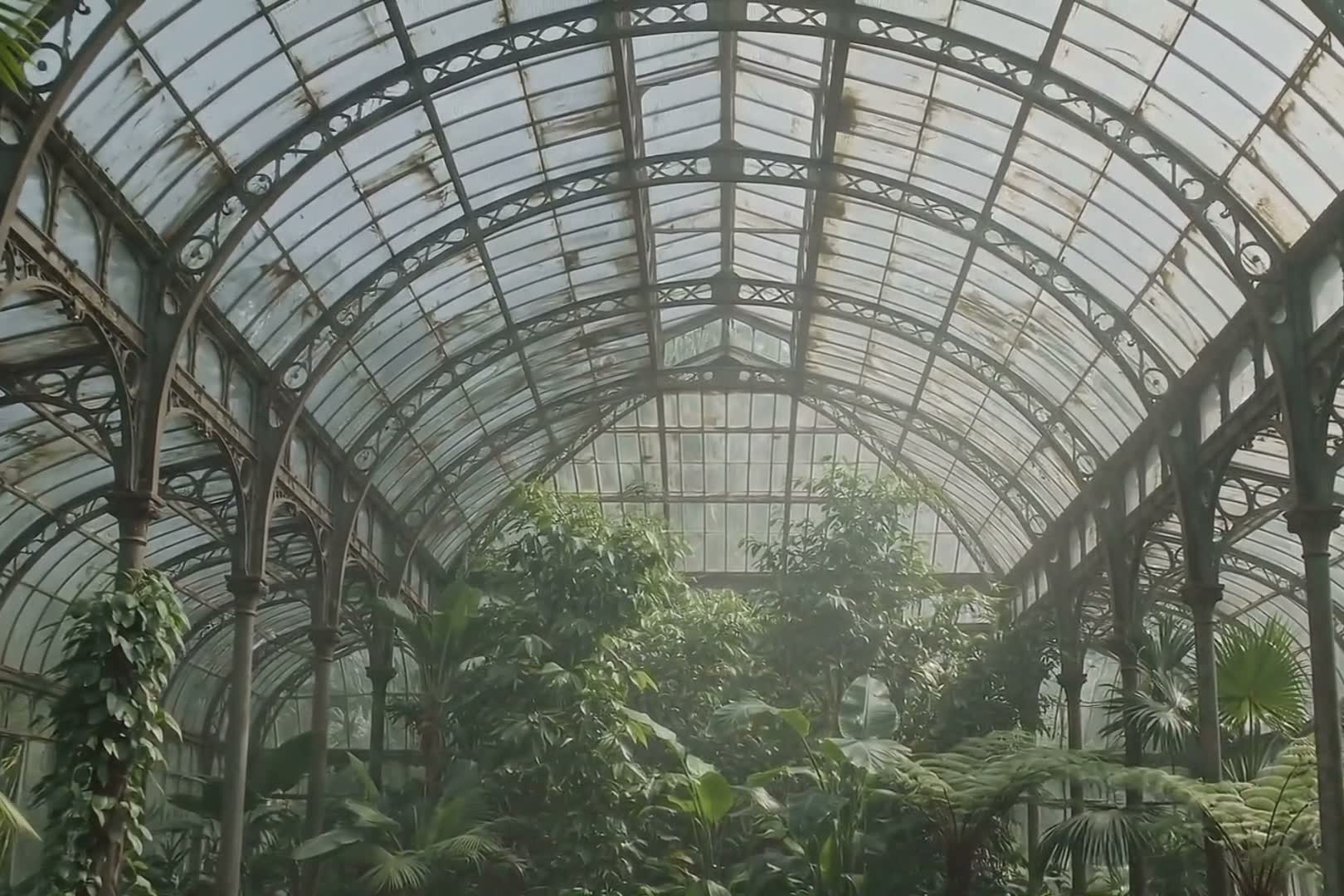
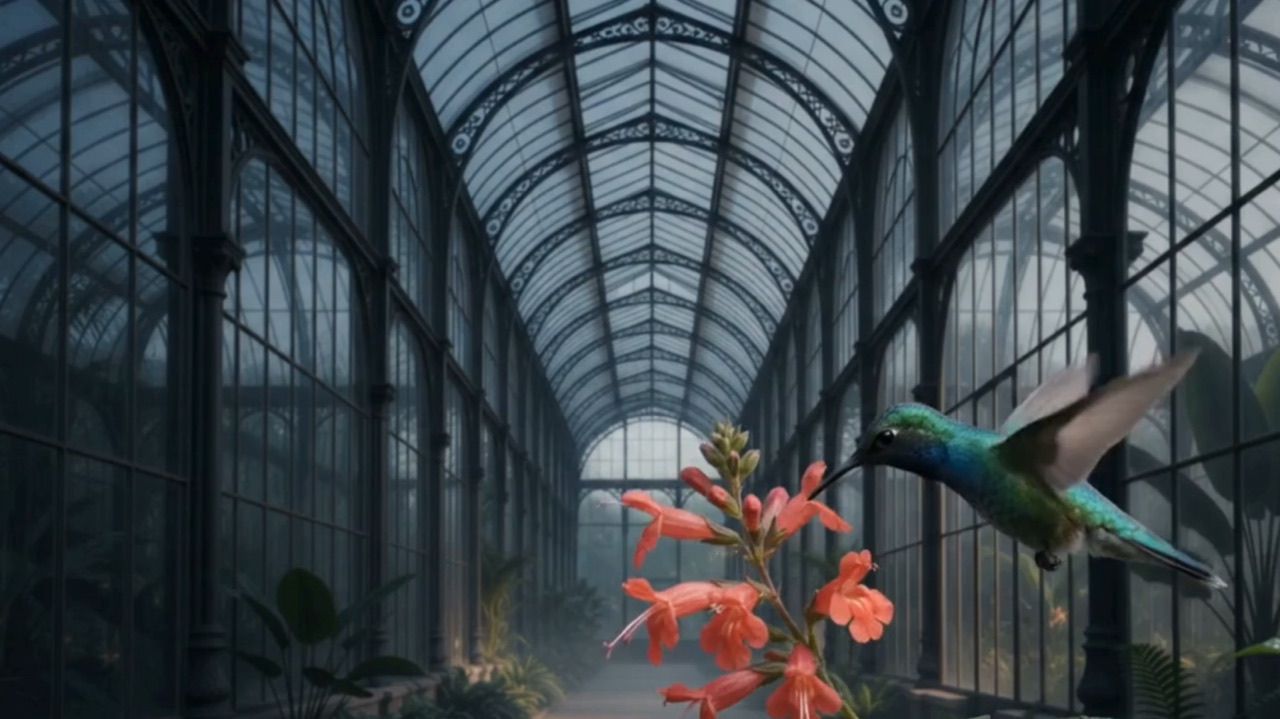
Sixty-two metres, end on. Built in 1889 to overwinter nursery stock that would not survive outside.
The image ends.
The visit begins.
This image did not load. Reload the page to try again.